Green India Mission
Assignment Name:
“Sustainable Harvesting Protocols, Value Addition & Value Chain Development for Non-Timber Forest Products (NTFPs) in Selected Districts (Sehore, Betul and Hoshangabad) of Madhya Pradesh”

Objective
- Develop protocols for use by collectors, local communities, and tribal groups for sustainably harvesting NTFPs.
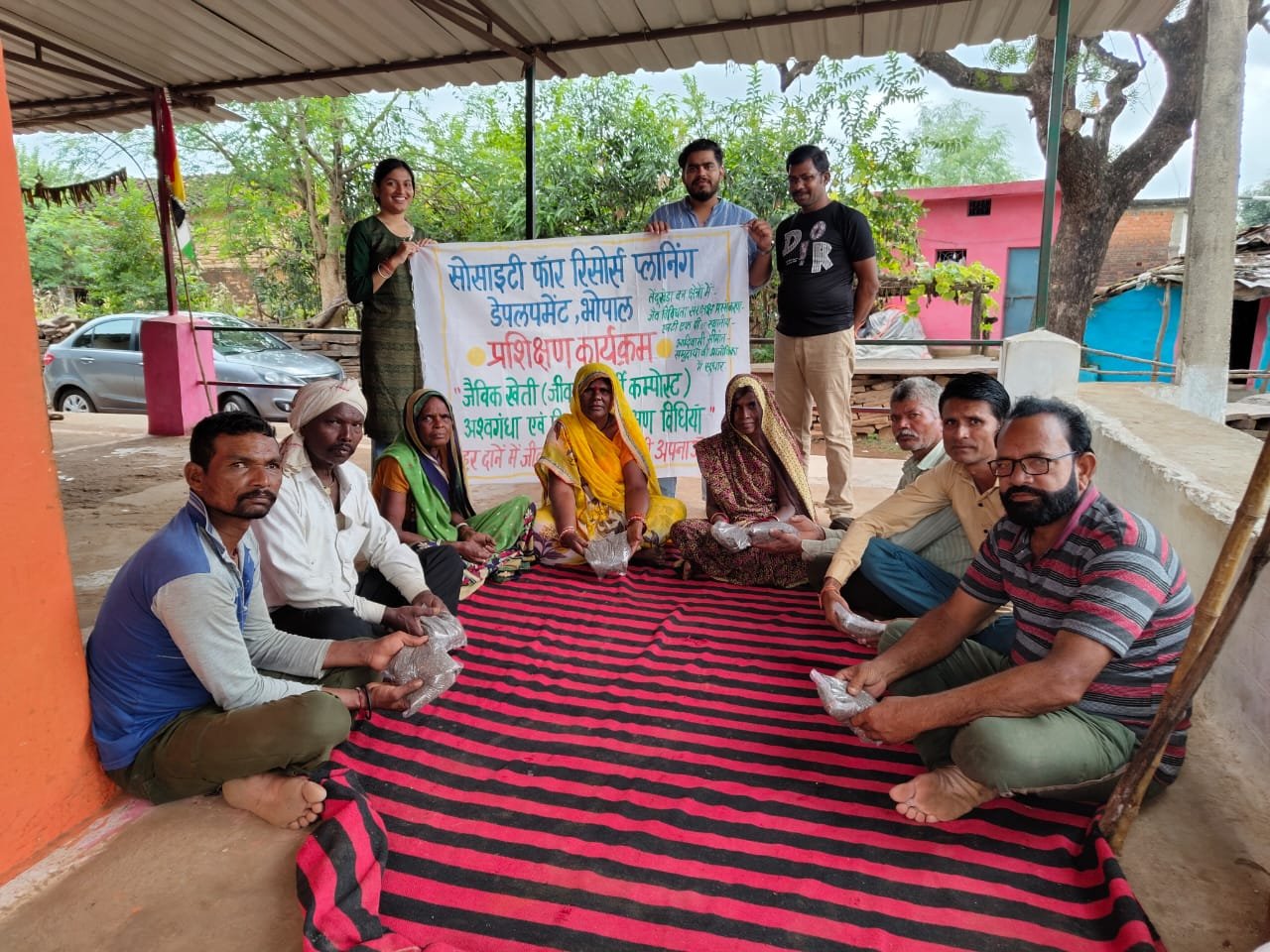
- Develop a training manual (including local language translation) for training the collectors, local communities, and tribal groups; and prepare local trainers through Training of Trainers (TOT) as identified by the project.
- Outline the steps involved in value addition of NTFPs and the associated processes.
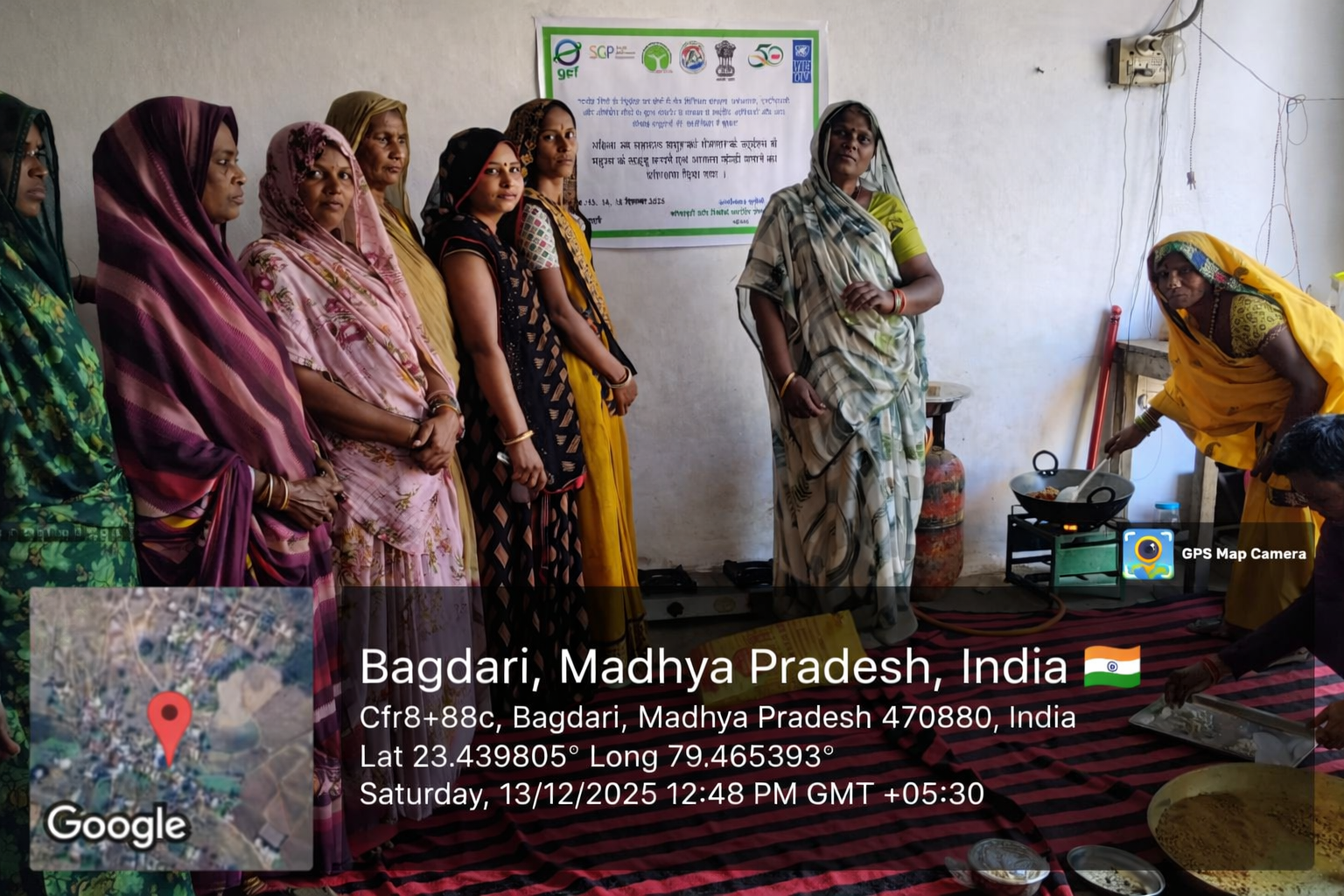
- Demonstrate value addition and/or develop new products from the locally available NTFPs and also demonstrate their production process.
- Map the available markets, support in branding and linking with markets to create a full value chain for NTFPs.
- Facilitate establishing local level institutional models (producer companies and/or local cooperatives) and provide necessary training for proper operations and governance.
✅ Actual Services Provided
- Establishment of a Nutri-Bakery Unit at Betul Forest Division.
- Mapping of community forest boundaries and marking of available NTFPs.
- Collection of information from recognized institutions regarding the global/local status of species in the area.
- Conducting species-specific population assessment in the forest from where NTFPs are collected locally.
- Documentation of traditional harvesting methods used by the community.
- Preparation of sustainable harvesting protocols (including translation in local language) for NTFPs.
- Development of training manuals (including in local language) for application of sustainable harvest protocols.
- Training of Trainers (TOT): Identified trainers trained to further train local communities, collectors, and tribal groups.
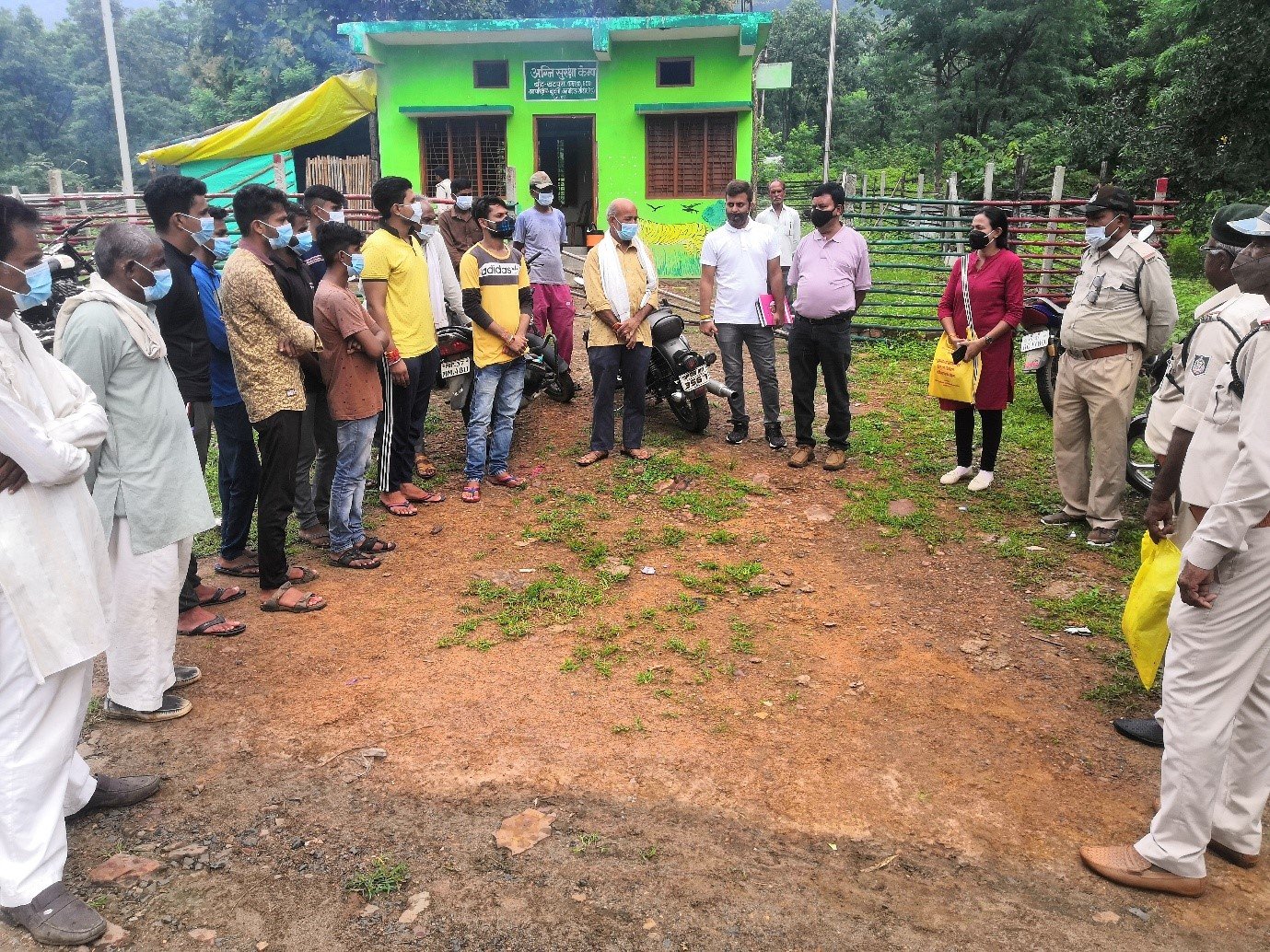
- Documentation of the status of NTFP collection through surveys and stakeholder interactions (including volumes traded, prices realized, etc.).
- Value addition of NTFPs through grading, sorting, marketing, and new product development via processing steps.