Madhya Pradesh State Biodiversity Board

Project Title – “Documentation of ecological status of 12 most collected and traded medicinal plants of Sheopur district: assessment of impacts on viability of resources, livelihood of local communities and strategy for sustainable management and use practices”
Project Objectives –
- To assess the prevailing harvesting methods and intensity on population viability of 12 most collected and traded species of medicinal plants.
- To document the shift in collection area of medicinal plants in the last decade or so.
- To document the variation in total household collection and income of gatherers in past 10 years in respect of 12 most important species.
- To make an assessment of stakeholder’s perception on the resources, use practices, threat perception impacting the resource viability-regeneration status and growth and productivity.
- To assess the causative factors responsible for present resource availability (shrinking areas and declining collection) and how to overcome and manage them.
Actual Services Provided –
- Community mobilization and interaction with forest department community, JFMC and others.
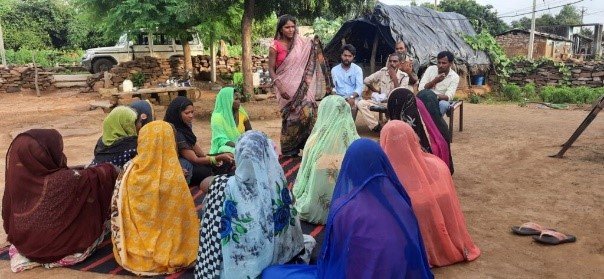
- Selection of proposed clusters of villages for field sampling and FGD with gatherers for a group of species out of 12 species.
- Collect data through FGD and field verification; also validate with local traders, SHGs and FD officials.
- Household surveys (10–15 gatherers per village), profiling of collection area in the last decade and the reason for change if any – decline of species, collectible material etc.
- Quantity of household collection over past 10 years based on their memory and validated by petty traders. Profiling of variation in rates and household income in the last 10 years.
- Personal interview with JFMC members, petty traders and local forestry staff. Collection of information on status of resources – occurrence, natural regeneration, growth and productivity.
- Transect walk for participatory assessment in the forest by counting productive trees, saplings and poles, counting of regeneration of main species (12) in sample plots of different sizes.